How one Rotarian’s encounter with obstetric fistula grew into an educational lifeline for students in Ethiopia
The plan was to help five women.
Then Rebekah “Becky” Kiser would return home to Colorado and get back to her normal life.
Twenty-three years later, that plan has become Trampled Rose, an organization whose work has helped more than 10,000 Ethiopians and given thousands of young people the opportunity to stay in school, pursue higher education and imagine futures that once seemed beyond their reach.
And it all began with an illness.

An Unexpected Beginning
In 2003, Becky was traveling in Ethiopia when a decision to skip a typhoid vaccination nearly cost her life. During her illness, her tour guide took her to a small clinic in Bahir Dar, near the source of the Blue Nile.
Months later, Becky returned to Ethiopia to thank the guide and his family. During that visit, she was asked to help his sister travel to a hospital for treatment of a condition Becky had never heard of: obstetric fistula.
At first, she assumed “fistula” must be an Amharic word.
What she learned instead broke her heart.
Obstetric fistula is a devastating childbirth injury, often associated with prolonged, obstructed labor and inadequate access to medical care. Women who survive can be left incontinent and, in some communities, isolated from their families and society. Many have already lost their babies. Some lose their marriages, their homes and their livelihoods as whell.
Becky could not forget them.
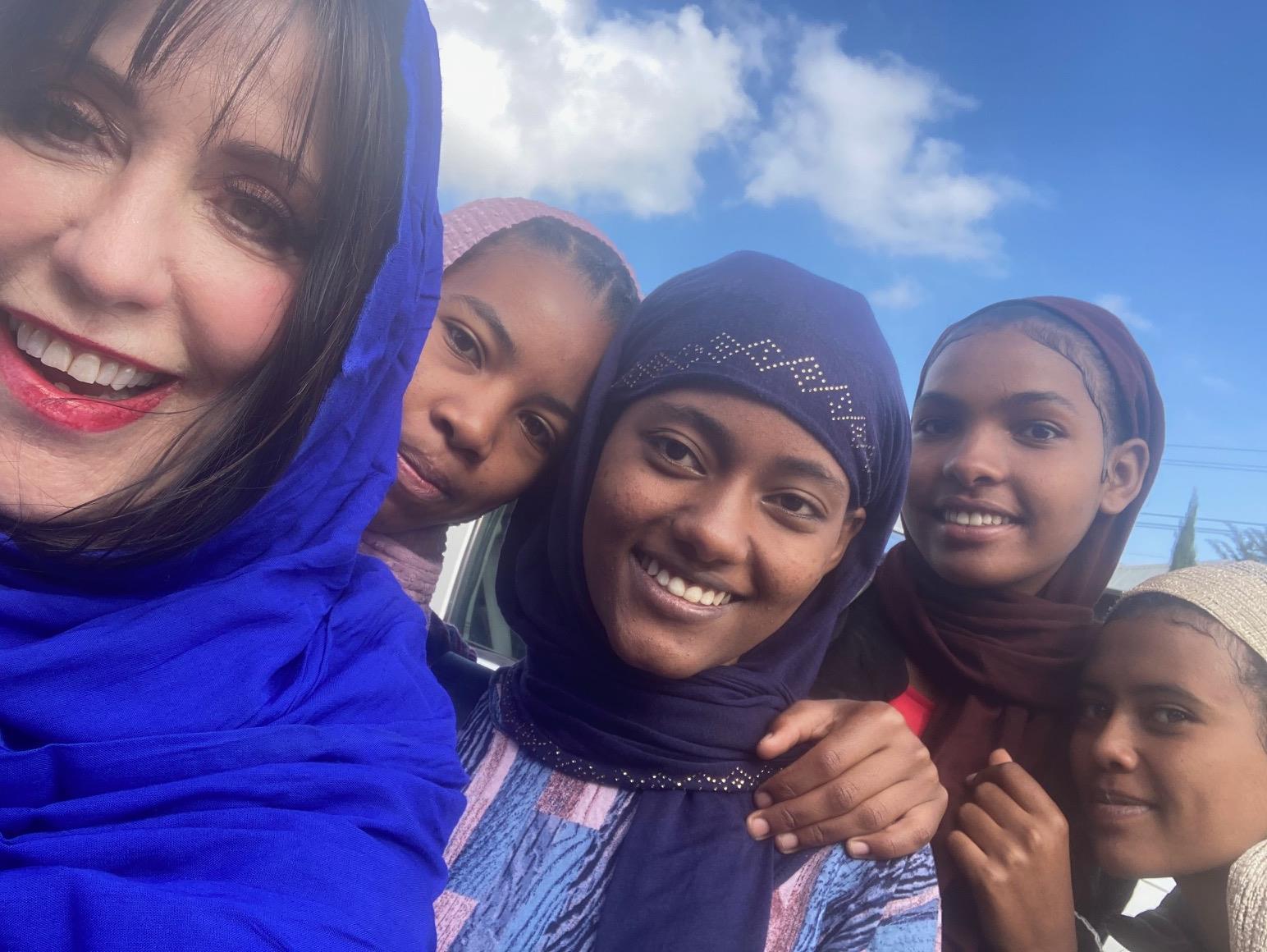
At the time, she was an independent sales director with Mary Kay Cosmetics. With encouragement and support from members of her sales team and friends, she returned to Ethiopia with a modest goal: help five women.
But five women changed everything.
From Treatment to Prevention
Trampled Rose initially focused on helping women before and after fistula surgery and providing the rehabilitation they needed to rebuild their lives.
Over time, Becky began looking further upstream.
Treating fistula mattered enormously. But what if fewer girls ever experienced it?
She became convinced that one of the most powerful answers was education.
Keeping a girl in school can delay early marriage and pregnancy, give her body more time to mature, increase her economic opportunities and give her greater control over the direction of her life.
So Trampled Rose evolved.
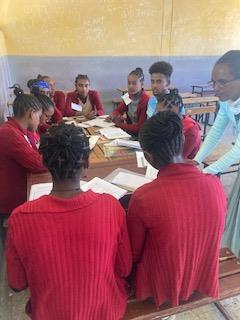
Today, its work is centered largely on helping some of Ethiopia’s most vulnerable rural students remain in school.
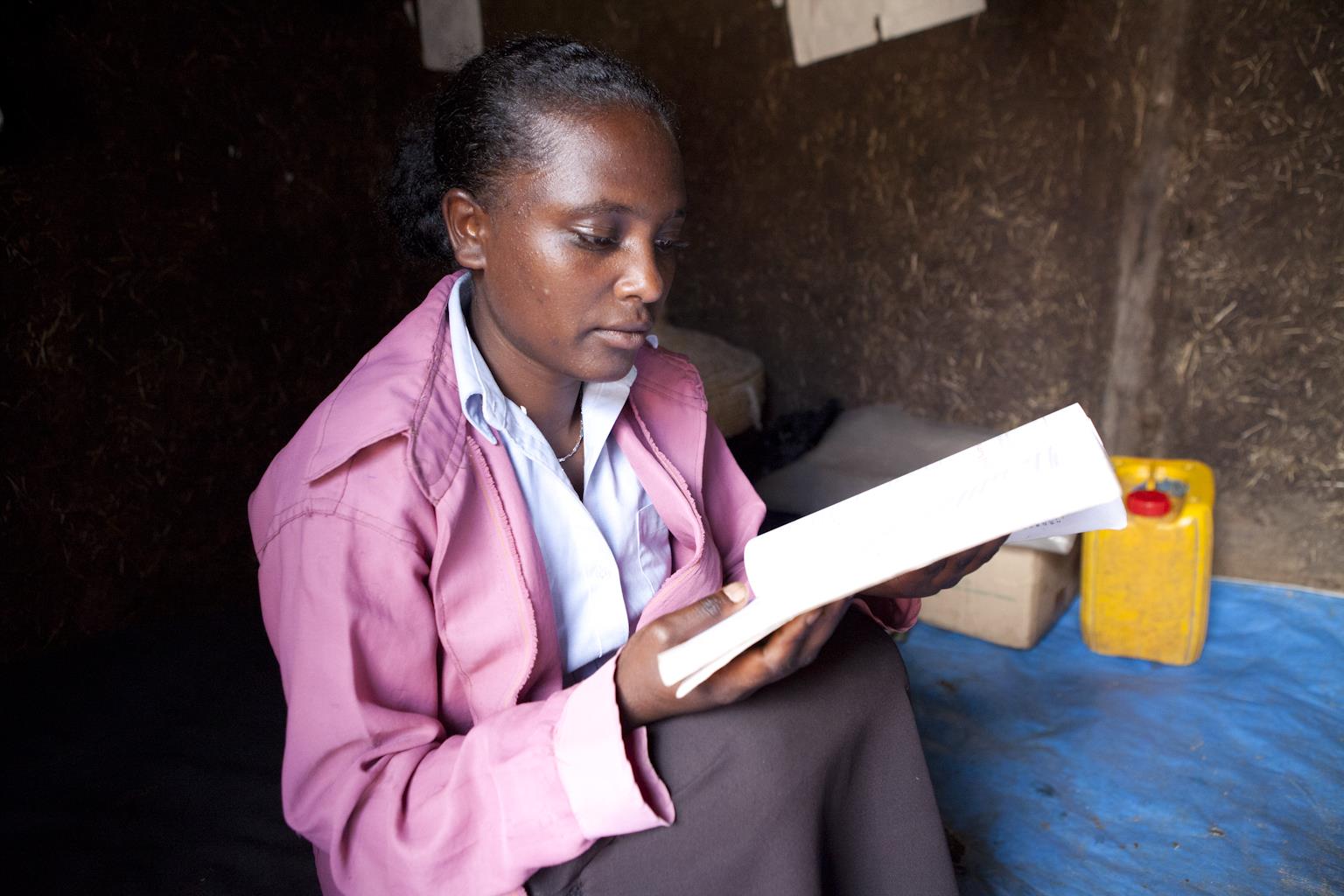
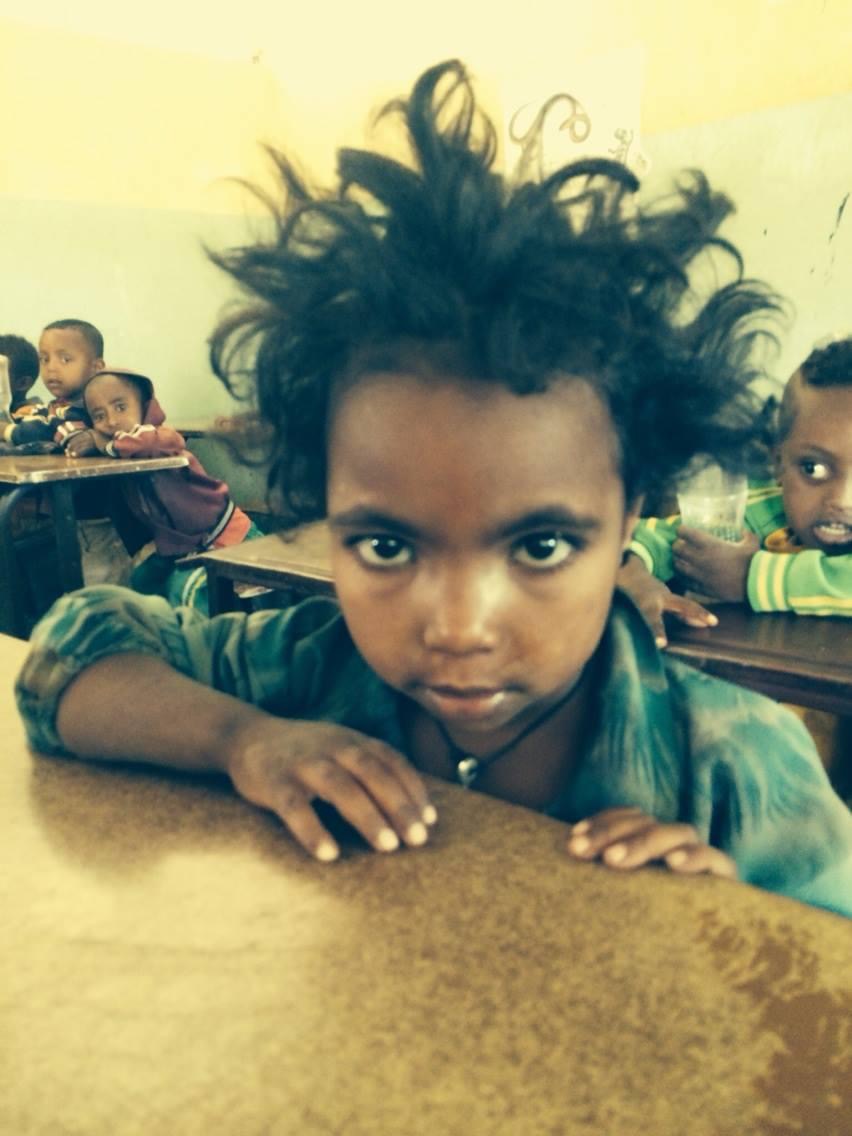
Many are orphans. Others have disabilities, bedridden parents or families living in extreme poverty. Some live hours from the nearest high school.
The barriers can appear surprisingly small to those of us thousands of miles away: a school uniform. A textbook. Menstrual supplies. A safe room near school. Enough food to concentrate during class.
But without them, education can disappear.
Putting the Decisions in Their Hands
One of the distinctive features of Trampled Rose is how the assistance is delivered.
Students in the program receive monthly financial support through their own bank accounts. Rather than deciding for them what they need, Trampled Rose gives students responsibility for making those choices themselves.
One student may need a uniform.
Another may need to rent a room closer to school because walking from home would take hours.
Another needs textbooks, food or medical care.
Some students even use a portion of their money to help a sibling stay in school.
The approach does more than remove financial obstacles. It teaches young people to make decisions, manage resources and take greater ownership of their futures.
It is empowerment in its most practical form.
And the results can be remarkable.
Trampled Rose graduates have continued to universities and pursued careers in medicine, engineering, education and other fields. Some have returned to encourage the students coming behind them.
The Circle Grows
After years of successfully helping girls remain in school, village leaders began approaching Trampled Rose about another need.
Boys were struggling, too.
Civil conflict, poverty and disappearing employment opportunities had left some young men facing difficult choices about whether to continue their education. Trampled Rose responded with a pilot program for high school boys, applying the same basic philosophy: provide the resources necessary to stay in school while giving students responsibility for using them wisely.
Today, Trampled Rose’s educational work includes both young women and young men who otherwise might not have the resources necessary to continue their schooling.
The work has also expanded beyond financial assistance.
Through Greatness in You, a leadership and lifestyle workbook offered in Ethiopian languages, Trampled Rose graduates and local educators are helping students explore decision-making, responsibility, hope and their own potential.
At one training, university students who had once received Trampled Rose assistance returned as role models. Among them were a medical doctor and engineers.
They were no longer simply recipients of help.
They had become the people offering it.
Rotary Has Been There Along the Way
Becky is quick to make one thing clear: Trampled Rose is not a story of one person working alone.
For nearly two decades, Rotarians have been an important part of the work.
Becky’s home club, the Rotary Club of East Colorado Springs, and the Rampart Range Rotary Club have supported efforts in Ethiopia annually since 2007. The Colorado Springs Rotary Club has supported students since 2014.
Individual Rotarians throughout District 5470 have sponsored students, traveled to Ethiopia and worked alongside Becky and local leaders.
District 5470 has also supported the work through three District Grants that have helped provide computers, support Greatness in You training and assist with the distribution of more than 100,000 eggs to families in need.
“I could never have done this alone,” Becky said.
That partnership between Trampled Rose and Rotary has taken many forms over the years, but the common thread has remained service: identifying a need and finding a practical way to help.
Rotarians have supported students with education. They have helped provide technology and leadership training. They have traveled to Ethiopia to work firsthand with communities. And they have helped families put food on the table.
A Message From The Students
The students recently recorded a personal message of gratitude to the Rotarians, clubs and friends who have helped make 23 years of service in Ethiopia possible.
Watch the student’s message here:
Five Eggs and a Bigger Idea
One of those Rotary partnerships began with a father who simply wanted his children to have eggs for a holiday meal.
Rotarian Tesfaye Legesse, Becky’s husband and a chicken farmer in Ethiopia, told fellow Rotarians about the growing number of families who could no longer afford the chicken and eggs traditionally included in Doro Wot, a special dish served during Ethiopian holidays.
One story stayed with them.
A father had come to Tesfaye’s farm early one morning. He could not afford a chicken, but he had managed to save enough money to buy five eggs, one for each of his children.
There was a reason he wanted to buy them directly from the farm.
The previous year, he had purchased five eggs elsewhere.
Three of them were rotten.
That small story sparked a much bigger idea.
Rotarians began asking whether they could help more families celebrate with dignity. What started with the audacious goal of distributing 4,000 eggs grew year after year. Through the efforts of the Rotary Club of East Colorado Springs, Rampart Range Rotary Club, other Rotarians and support from District 5470, nearly 400,000 eggs have now been distributed to families in need. That includes 100,000 eggs distributed this year alone to refugees and others living in extreme poverty.
The numbers are impressive.
But the project has never really been about numbers.
It is about a father wanting five good eggs for his children.
Someone heard his story.
Someone asked, “What can we do?”
And Rotarians went to work.
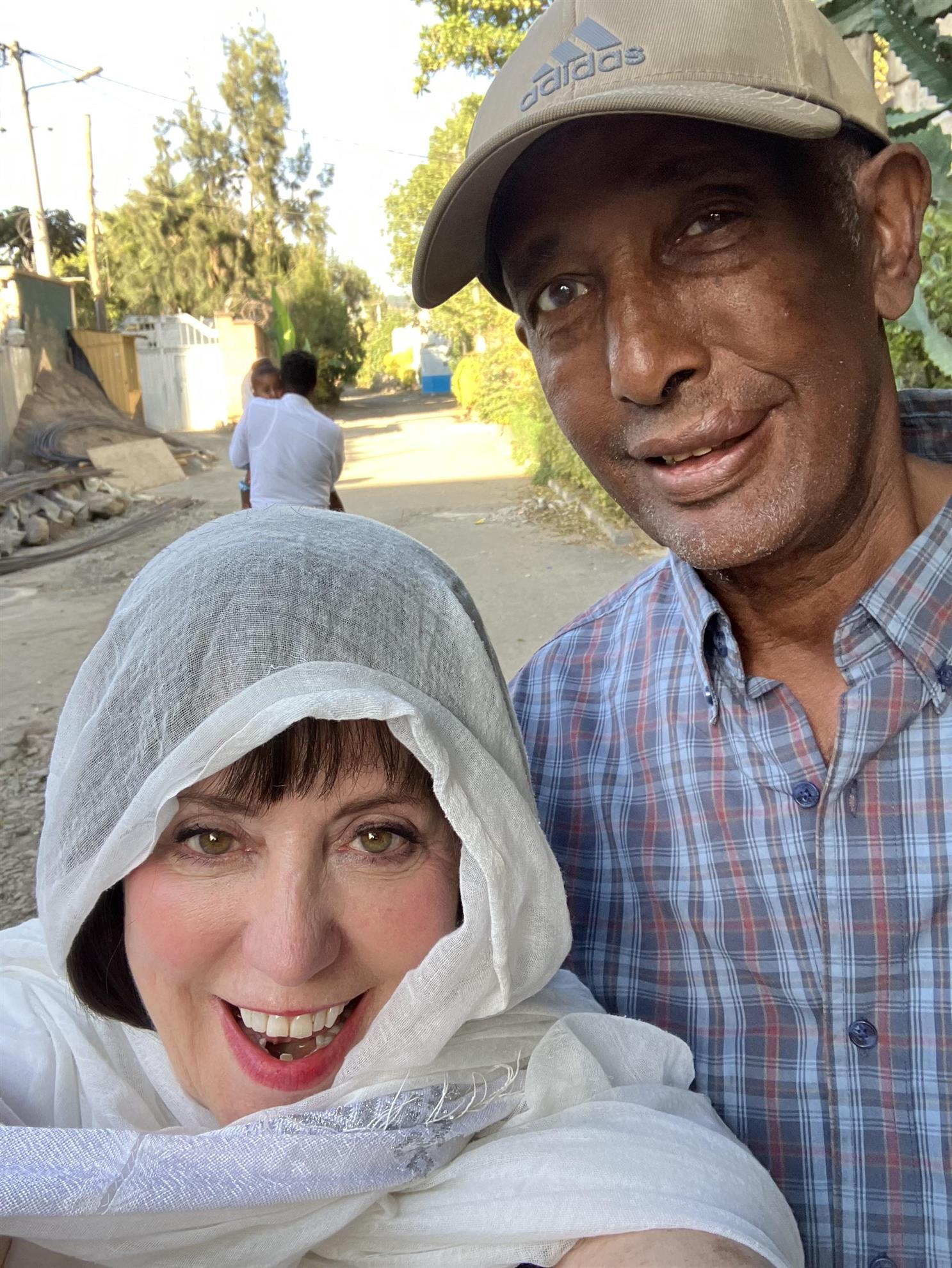
Tesfaye and Becky
Watch: How Five Eggs Became Something Much Bigger
See the story behind Rotary’s egg distribution project in Ethiopia and how a simple idea grew into years of service.
Watch the video here:
A Future Changed by Education
Perhaps the best measure of Trampled Rose is not found in statistics.
It is found in students like Woinishet, who dreams of becoming a psychiatrist.
It is found in Chaltu, who once faced a two-hour walk to school but was able to rent a room nearby and continue her education. She has used some of her own support to help other students.
And it is found in Ture, whose family struggled to survive as subsistence farmers. When her father became bedridden, school became nearly impossible as she searched for work to help her family. Trampled Rose support allowed her to return to class.
She graduated and was accepted to university.
Their stories represent thousands of others whose lives have intersected with Trampled Rose during the past 23 years.
And behind those students is another circle: Rotary clubs, District 5470, individual Rotarians, donors, Ethiopian educators and community leaders who have helped turn opportunity into reality.
Those partnerships are why Becky’s original plan to help five women never really ended.
It simply changed shape.
A frightening illness led her to a clinic. Gratitude brought her back to Ethiopia. One woman introduced her to the tragedy of obstetric fistula. Five women opened her eyes to a much larger need.
And eventually the question changed from “How can we help after tragedy occurs?” to “How can we give a young person the opportunity to avoid it?”
For Trampled Rose, one of the answers is beautifully simple:
Keep them in school. Give them dignity. Give them choices. And give them the opportunity to discover just how far their own lives can go.
To learn more about Trampled Rose, contact Becky Kiser at bkiser@aol.com or visit www.trampledrose.org.